Warts are rough growths caused by the human papillomavirus (HPV) that can appear on the hands, feet, face or body. Treatment helps if your warts are spreading, painful, or bothering you.
How it works
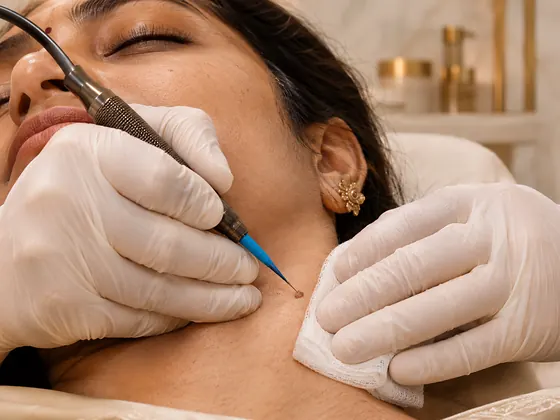
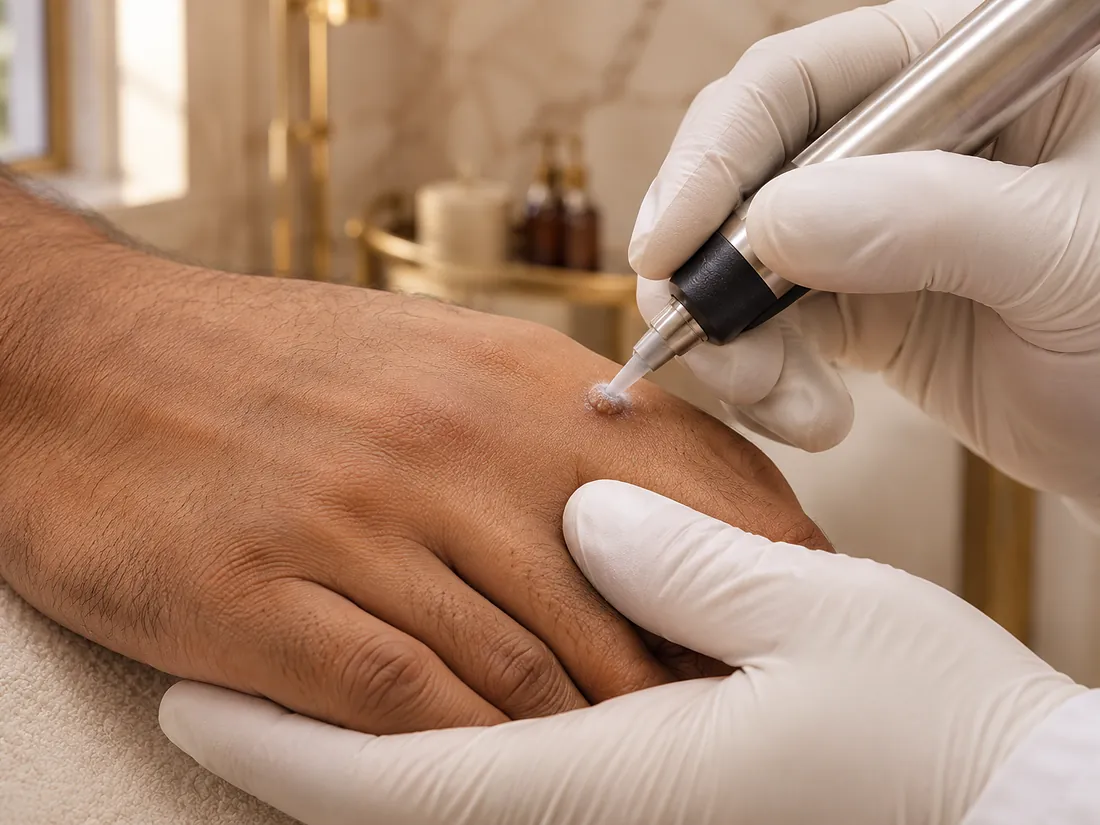
The doctor removes or destroys the wart tissue with methods such as freezing (cryotherapy), radiofrequency cautery or chemical treatments. Local anaesthesia is used where needed. Because the virus can stay in the skin, warts may return, and more than one session is common.
What it can help
- Common hand warts
- Painful foot warts
- Flat facial warts
- Spreading warts
Your visit, step by step
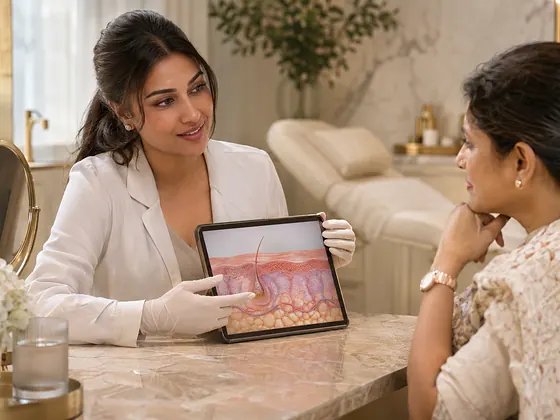
- Consultation with the doctor
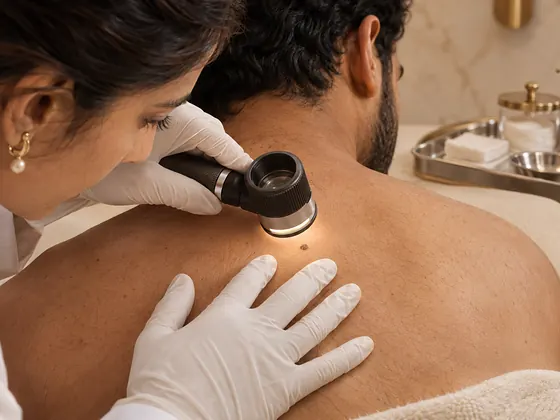
The doctor confirms the growths are warts, checks how many there are and where, and chooses the method that suits you.
- Numbing
Numbing cream or local anaesthesia is used for methods that need it.
- Treatment
Each wart is treated and dressed.
- Review
You return so the doctor can check healing and treat any warts that remain.
Aftercare
- Keep the area clean and covered
- Do not pick or scratch treated warts
- Do not share towels, razors or footwear
- Wear footwear in shared showers and pools
Is it right for you?
Tell the doctor first if you have diabetes, poor circulation or a weak immune system, or take blood thinners, and know that growths in the genital area need a separate private check.
Questions about Wart Removal
Are warts contagious?
Yes. They can spread by touch or shared items, and to other parts of your own body, so avoid picking them.
Why do warts come back?
The virus can stay in nearby skin after the wart is removed. Results vary, and repeat treatment is sometimes needed.
Do you treat genital warts?
Genital warts need a careful, private assessment and sometimes tests for other infections. Ask the doctor at your consultation.
Will it scar?
Most treated warts heal without a noticeable mark, but some scarring or colour change is possible, especially after deeper treatment.